
6 Strategies for Integrating 3D Simulations in Your Classroom
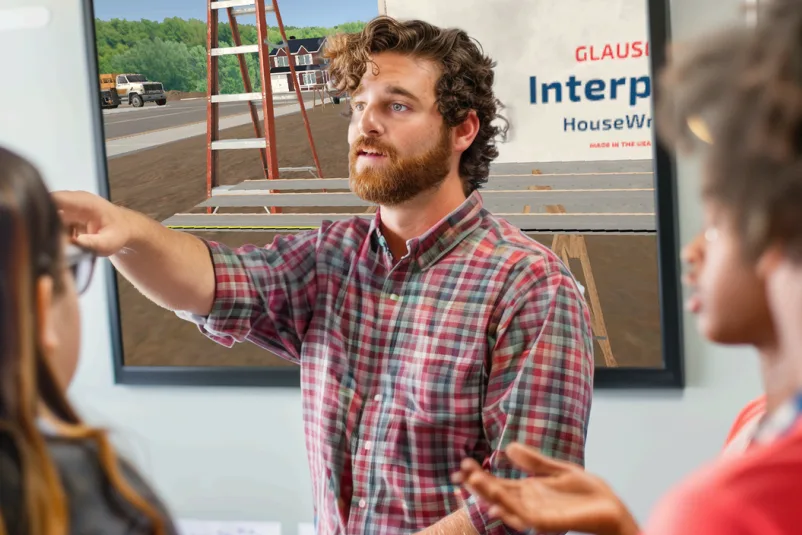
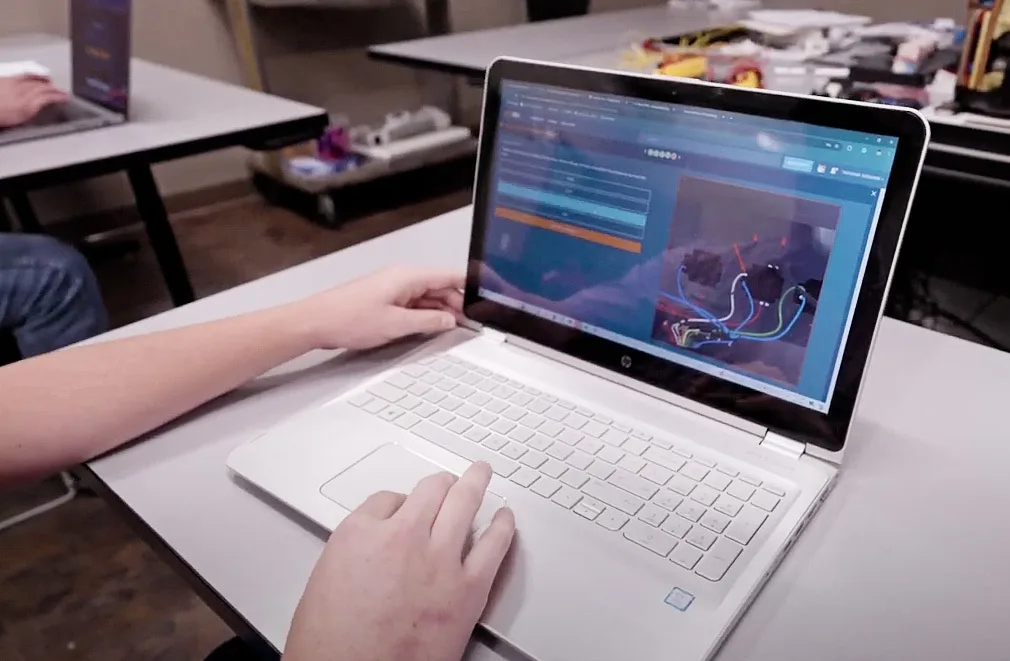
3D simulations are interactive, virtual environments that allow students and teachers to explore and interact with digital representations of objects, systems, or scenarios. Students can complete 3D simulations on a computer or tablet or in a completely immersive environment through virtual reality goggles. Building on the multisensory power of video, 3D simulations can go beyond one-way information consumption with interaction. Students benefit from interacting with and manipulating 3D objects and learning through trial and error.
How 3D Simulations Aid Active Learning
3D simulations are powerful because they facilitate active learning on multiple levels. Through a rich, interactive environment, simulations help students achieve all of the following components of active learning:
- student participation and engagement in the learning process
- development of durable skills like critical thinking and problem-solving
- application of knowledge to real-world scenarios
- collaborative learning
- immediate feedback on understanding
- metacognition, or developing self-awareness, about their strengths and gaps in knowledge
Researchers have found that a lack of faculty expertise is one of the top barriers to integrating simulation-based learning. That’s partly because the technology is still young, with few examples of best practices in action. You can get started today with these five step-by-step strategies for leveraging 3D simulations in your classroom.
1. Synchronous Learning
The first way that teachers can use 3D simulations is as a demonstration tool during synchronous classes. In a physical or virtual classroom, a teacher can cast the simulation up on a screen and walk students through a module like how to solder a joint or how to put two pieces of pipe together. Teachers can show a procedure while also adding their own commentary and knowledge as they go along.
This is useful for modeling a skill but also demonstrating how not to do something. For example, in a live demonstration you couldn’t put your hand on a hot pipe because it would be unsafe. But in a virtual environment, you can show how common mistakes impact your process and what steps you would need to take to fix them.
2. Asynchronous Learning
Another way to use 3D simulations is through asynchronous learning. This method uses a flipped-classroom approach where students complete simulations before class so they can discuss the content and work through challenges during class. As a result, students come equipped with a foundation of knowledge, ready to dive into deeper learning. Rather than replacing hands-on lab time, 3D simulations help students maximize their hands-on practice, first virtually, and then in the classroom. This layered approach means students have extra practice and feel more comfortable when it’s time to work with real equipment. Simulations bring the benefit of increased safety, giving students an extra layer of practice before they replicate a skill in the lab with dangerous components like fuses, conduit, or refrigerant.
3. Formative Assessments
The best 3D simulation curricula don’t just come with the learning content—they also come with assessments to measure learning progress. Trade Prep Powered by Interplay courses, for example, assess students in two different ways:
- Knowledge checks. These assessments, structured as online quizzes, test students’ knowledge at the end of each lesson.
- Simulations in assessment mode. In assessment mode, students must complete their 3D simulation correctly (accomplishing tasks in the right order without violating safety guidelines) to demonstrate their mastery of a skill.
These built-in assessments save instructors time and give them data to see at a glance who is struggling and needs support. You can pull the data before class to see who completed the knowledge checks and how they performed. Some platforms even have a leaderboard to gamify the learning experience.
4. Student-Driven Instruction
Also called peer-based learning, student-driven instruction is a great way to get students to learn from each other. With 3D simulations, you can incentivize students to work together to learn a concept. For example, divide students into small groups with a mix of advanced and struggling students in each group. Gamify the experience by putting the groups in competition to complete a simulation in the fastest time or with the greatest accuracy. This approach reduces the teacher's burden of spending individualized time with each student. It also engages and motivates students more than a traditional lecture would.
5. Teacher-Driven Instruction
As a twist on the student-led model, you can also teach with simulations by putting the teacher in the driver’s seat. Instead of students talking peers through a simulation, ask students to lead you through one. This approach allows you to reinforce key concepts, engage students in active learning, and assess their mastery of a topic.
Teach Beyond the Textbook
Incorporating 3D simulations into your construction trades classroom is an effective way to enhance student engagement, deepen learning, and foster critical thinking. With simulations, students benefit from real-world scenarios in a safe, interactive environment that prepares them for hands-on practice. Whether through synchronous or asynchronous learning, the versatility of 3D simulations allows teachers to tailor their approach to support all learners. When 3D simulations are skillfully integrated, you’ll not only capture students’ attention but equip them with the skills needed to succeed far beyond your classroom walls.
Trade Prep Powered by Interplay offers nine job-ready programs for in-demand skilled trades, offering immersive, simulation-based instruction for high school students that result in better careers and better lives. Trade Prep instruction is designed with the support of trusted industry experts and instructional designers to offer accurate and engaging learning experiences. Trade Prep is just one of many great options available through Edmentum Career that helps all students get workforce-ready, whether they’re preparing for college or career. Learn more today.
Adapted from an article that originally appeared on Interplay Learning