How Inquiry-Based Learning Builds Strong Literacy and Research Skills
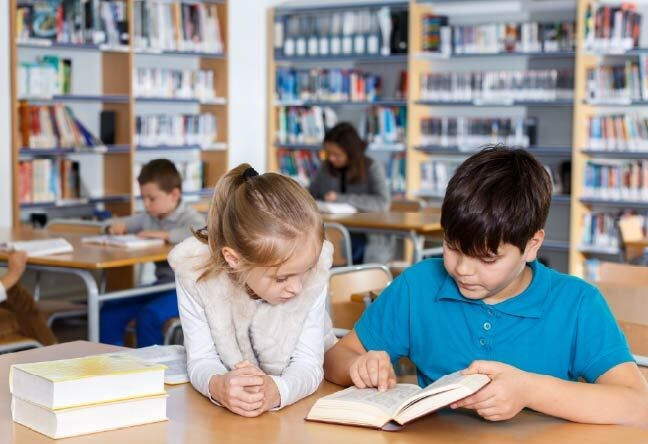
Inquiry-based research projects are one of the most effective ways to help students develop essential literacy skills and critical thinking. When students investigate real questions, explore topics they care about, and construct meaning from what they discover, they engage deeply with the practices that define strong readers, thinkers, and communicators.
In an age of abundant information, students also need to know how to question, interpret, and use what they find. These information literacy skills include the ability to locate reliable sources, evaluate the credibility of those sources, synthesize multiple perspectives, and communicate conclusions clearly. These skills are lifelong tools for learning and decision-making.
Inquiry makes these skills meaningful. Rather than being passive consumers of information, students learn to ask thoughtful questions and pursue answers through research. This approach transforms research from a rigid assignment into a genuinely exciting process driven by students’ curiosity. They become more engaged and more willing to take intellectual risks, which, in turn, strengthens their reading comprehension, critical thinking, and writing skills.
This post draws from my book The 21st Century School Library, which explores how librarians and educators can partner to create powerful, student-centered research experiences. The approach to research that follows is designed to help you guide students through research projects that not only meet academic goals but also build the kind of literacy skills that transfer beyond the classroom.
How Students Navigate Inquiry-Based Research Projects
Inquiry-based learning (IBL) starts when students are encouraged to explore what genuinely interests them. Inquiry gives students a reason to care about their learning, and this personal investment fuels deeper thinking.
Building Background Knowledge
The first step in an inquiry-based research process is building some background knowledge. Students need a basic understanding of their topic—which they should have been involved in choosing—before they can ask focused, purposeful questions.
These questions will help shape the direction of their learning. As Cathy Fraser explains in Love the Questions (2018), students should develop questions that connect what they are reading with what they already know. This helps them form authentic, personally meaningful research questions.
Finding Information
Once students have their guiding questions, they can begin to search for information. While they may be used to starting with a general internet search, librarians can introduce students to a broader range of resources: databases, academic journals, books, and even interviews with experts. These sources often offer a richer variety of information.
Evaluating Sources
Along the way, students need to evaluate the information they find. This includes asking who created the content, when it was produced, what the author’s perspective is, and whether the information is credible. Teaching students to question their sources supports stronger information literacy and better decision-making.
Organizing Information
As students collect information, organization becomes essential. IBL often leads in many directions, and students need ways to track their ideas and sources. Tools like graphic organizers, research logs, and mind maps can help students see how ideas connect and where their questions are leading them. These tools help manage information and they can also support the thinking process behind meaningful inquiry.
Note-Taking and Understanding
Note-taking is another skill that supports IBL. Rather than copying text word for word, students should be encouraged to summarize and paraphrase, putting ideas into their own words. This not only builds understanding but also helps prevent plagiarism. Good note-taking habits reinforce students’ comprehension and critical thinking.
Synthesizing Ideas
The heart of inquiry lies in synthesis. Students need to pull together information from multiple sources and think about what it all means. This step is more than reporting facts. It involves analyzing information, making connections, and developing conclusions. When students synthesize, they move from collecting information to constructing new understanding, a core outcome of inquiry-based learning.
Using Technology Effectively
Technology can play a helpful role at every stage of the research process. It can support organization, help students cite sources correctly, and give them creative ways to share their findings. Whether through a written paper, an in-person presentation, or a digital project, students can choose formats that reflect their voice and thinking.
Reflection and Metacognition
Finally, reflection is an overlooked part of research, but it’s especially important in an inquiry-based model. After completing a project, students should think about how their ideas developed, what surprised them, what they found challenging, and what they might do differently next time. Reflection helps students become more aware of their own learning process and builds habits that will very likely carry into future work.
Inquiry-based learning shifts the focus of research from finding the “right” answer to exploring ideas, developing understanding, and building skills that last. When students are encouraged to ask meaningful questions and are supported throughout the process, research becomes a path to deeper learning.
How Teachers and Librarians Support Inquiry-Based Learning Together
Librarians can be powerful partners in the research process. As experts in information literacy, they can guide students through every stage of the research journey helping students select topics, evaluate sources, and organize information.
The most effective research projects are those in which librarians and teachers collaborate from the outset. When librarians are involved in planning and co-teaching research projects, students gain access to high-quality resources and clearer guidance on how to use them effectively.
Librarians know how to find credible sources, search databases efficiently, and help students manage the overwhelming amount of information online. They also teach students how to evaluate sources critically, which is essential today. But their support goes beyond technical skills and locating materials. Librarians can help students refine research questions, structure their ideas, and come up with effective ways to present their findings, from podcasts and infographics to multimedia presentations.
When librarians and teachers work together, they create a collaborative, inquiry-driven environment that enhances the research experience, showing students that learning is a shared process and that their curiosity is valued. They also ensure that students develop the information literacy, critical thinking, and problem-solving skills that are essential in our digital age.
Want to learn more? View a webinar on inquiry-based learning here.

Ryan Bani Tahmaseb is an author, K-12 academic coach, and curriculum developer. He is a former middle school English teacher, English department chair, and school librarian. His book, The 21st-Century School Library was published in 2021. He is also author of the children’s book, Rostam’s Picture-Day Pusteen, and his debut middle grade book, Persian Mythology. Ryan’s writing has appeared in publications such as Edutopia, Education Week and the Carolina Quarterly.