
How Schools Can Deliver the Professional Learning Educators Need: Advice From 3 Veteran Teachers
Professional learning is critical for supporting instruction, but what kind of training really helps teachers improve their practice? Three Edmentum educators shared their thoughts on what effective professional learning looks like to them. In short, teachers need strategies that they can use right away, opportunities to learn from their peers, and guidance that helps them respond to both today’s demands and what's on the horizon.
1. Give Teachers Strategies They Can Use Right Away in the Classroom
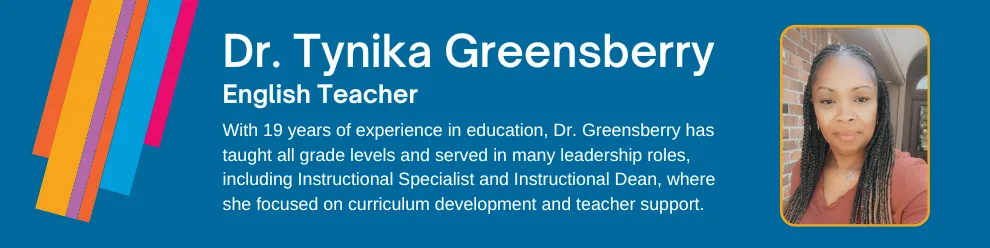
Dr. Tynika Greensberry, an English teacher with 19 years of experience across elementary, middle, and high school settings, has also served as an instructional specialist, instructional dean, and new teacher leader. She makes a strong case for professional learning that is directly tied to practice.
“Professional learning is most meaningful when it is practical, relevant, and immediately applicable to my classroom,” she said. “I want to walk away from a session with strategies, tools, or ideas that I can implement right away to improve student outcomes.”
Teachers are already thinking about their own development and what they need from professional learning to keep improving, she said, and the most impactful sessions are the ones that:
- Are differentiated to meet my specific needs, just like I differentiate for my students.
- Include collaboration with peers, where we can share experiences and build a supportive professional community.
- Connect directly to my content area, grade level, or instructional goals.
- Allow for follow-up support, such as coaching, peer feedback, or time to reflect and refine.
Today’s teachers are balancing student needs, shifting expectations, and limited time. Professional learning needs to respects those realities and deliver guidance that teachers can put to immediate use.
2. Build Professional Learning Around the School’s Instructional Challenges
Effective teacher training is built around the problems educators are already trying to solve. In virtual and blended settings especially, that often includes student engagement, interaction, and building a sense of community.
“One specific skill I continually work on is engaging students in a virtual environment,” said Greensberry. “Unlike traditional classrooms, online teaching requires intentional strategies to maintain student interest, foster interaction, and create a sense of community.”
To strengthen her ability to create more dynamic and student-centered online experiences, she does a few things regularly:
- Participates in webinars and online professional development focused on digital pedagogy and instructional design
- Experiments with new tools and platforms that promote interactivity, such as breakout rooms and interactive whiteboards
- Seeks feedback from students about what keeps them engaged and uses that input to refine her approach
3. Make Space for Feedback, Reflection, and Peer Learning
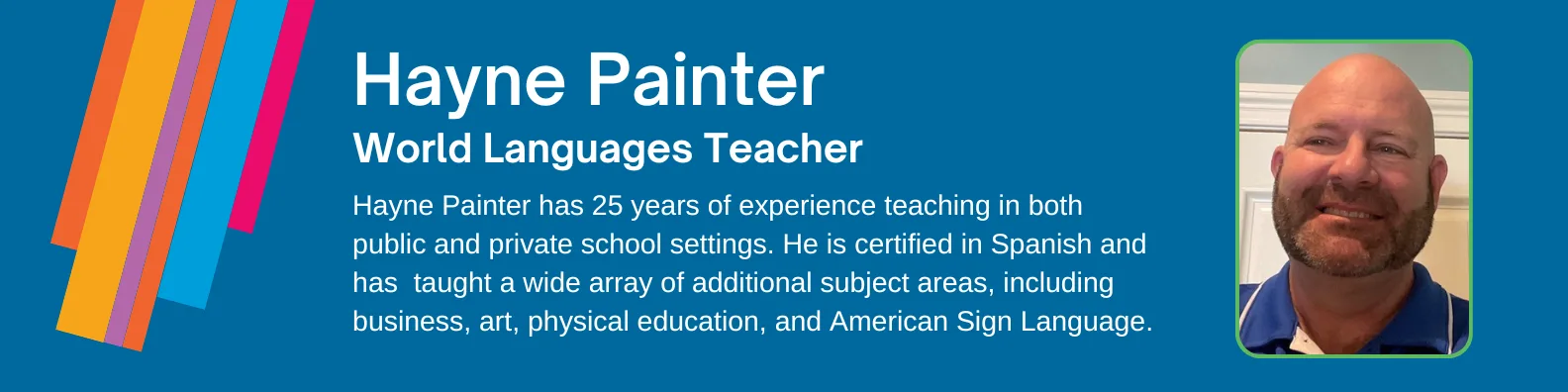
Hayne Painter, a world languages teacher with 25 years of experience in public and private schools, has taught Spanish, ASL, business, art, and PE. He highlights another important point: “Professional learning is meaningful when it provides simple strategies that teachers can implement instantly to make a difference in their students’ growth.”
Educators don’t need professional development to be overbuilt, he says. They need it to be relevant and grounded in what truly helps their students, and online teachers in particular need lots of feedback and support, which can be tricky.
“I talk with other teachers to see what works for them,” he said. “I also get feedback from my students to see how effective the strategies were in helping them make corrections. Communication is the key.”
For districts, that is a reminder that professional development works best when it creates space for teachers to learn from one another and reflect on what is or isn’t working well.
4. Help Teachers Look to the Future and Stay on Track with What is Changing
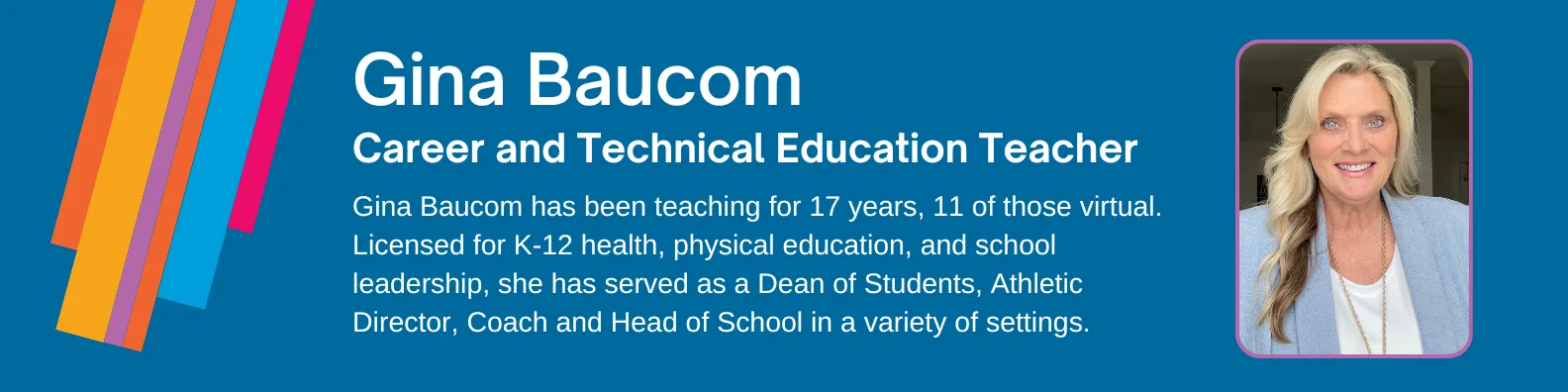
Gina Baucom, a CTE teacher with 17 years of teaching experience, including 11 years in virtual education, has also worked in leadership roles including dean of students, athletic director, coach, and head of school. Her response brings a future-focused perspective that district leaders should not overlook.
“Edmentum has done a great job of providing teachers with professional learning that is relevant to virtual instruction,” she said. “It is critically important that as educators—and especially virtual educators—that we stay current with all the new technologies and methods that our students are using or should be using. We are preparing students for careers that are not even known yet.”
School and district leaders are responsible for supporting instructional consistency and teacher growth today, but also for helping educators prepare students for a rapidly changing world. Professional learning has to do both.
“A couple of years ago I did a professional development on AI,” said Baucom. “I laughed about it at the time not realizing how quickly it would be essential to education. I think the best professional development is futuristic, meaning looking into the future of education and what that means for students and educators.”
What Edleaders Can Take from These Teachers' Experiences
For school and district administrators, all of this means effective professional learning should be built to:
▢ Give teachers strategies they can apply immediately
▢ Reflect different instructional roles and settings
▢ Support collaboration and peer learning
▢ Address challenges teachers are actively facing
▢ Include time for reflection, coaching, or follow-up
▢ Prepare educators for whatever is about to change
When districts design professional learning around those priorities, they become better able to build trust with educators and support stronger instruction across classrooms, schools, and virtual learning environments.
We deliver professional learning that truly supports educators. Learn more here.