
September 2025: APAC Education News Includes Teacher Hiring Trends, Cross-Border Cooperation, Tech Curiosity, and Phone-Free Recess
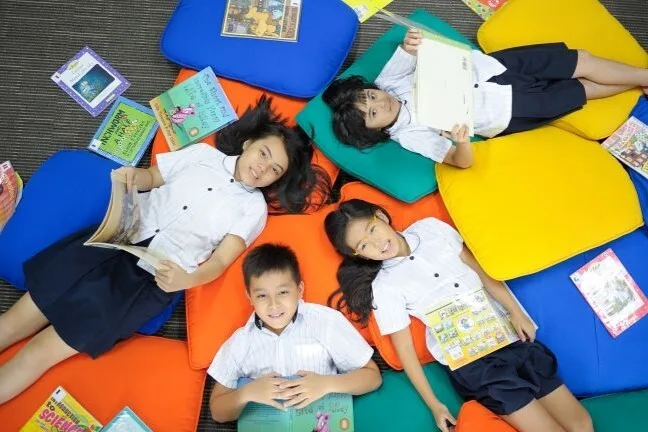
This month’s round-up of education news from across Asia-Pacific shows both pressing challenges and inspiring stories.
Vietnam is a central focus: the nation is an increasingly attractive destination for expatriate teachers due to its low cost of living, with 42% of expats working in the education sector. Simultaneously, Vietnam is pursuing an ambitious plan to make English its second language by 2030, requiring the recruitment of 22,000 new teachers and the retraining of 200,000 others. Furthermore, Ho Chi Minh City plans to ban students' mobile phone use during break times from 2026 to encourage social interaction and prevent issues like cyberbullying.
Elsewhere, Thailand and Singapore celebrated six decades of educational ties, including student exchanges and scholarships. Meanwhile, South Korea is striving to embed Artificial Intelligence (AI) education in its curriculum but is hindered by a severe shortage of specialist computer teachers, limited classroom time, and out-of-date learning materials.
VnExpress: What's drawing expats to Vietnam? Landing a teacher job tops the list [Article]
Vietnam has emerged as the fifth-best global destination for expatriates, and the most common reason for relocation is securing a job, particularly in the education sector. According to the InterNations' Expat Insider 2025 survey, 42% of expats work in education. The country's strong performance is largely driven by its world-leading ranking for personal finances, with nearly nine in ten expats satisfied with the low cost of living. This allows teachers and administrators to secure work quickly and stretch their pay further than in many other hubs, making the country an attractive option for those seeking a supportive career backdrop and high disposable income.
VnExpress: Vietnam to recruit 22,000 teachers to make English a second language in schools [Article]
Vietnam’s Ministry of Education and Training has announced an ambitious plan to make English the country’s second language in schools by 2030, with a long-term roadmap through 2045. To meet this objective, the nation will need to recruit an additional 22,000 English teachers for pre-school and primary levels, alongside retraining at least 200,000 existing teachers. The strategy, unveiled in a draft proposal, emphasises overhauling teacher training and assessment, developing new curricula, and deploying digital technology and Artificial Intelligence.
The Thaiger: “Thailand and Singapore deepen education ties after 60 years” [Article]
Thailand and Singapore are celebrating six decades of educational collaboration. Over the years, school twinning programs, student exchanges, and joint research projects have connected thousands of young people, while about 200 Singaporean interns each year gain practical experience in Thai organizations. Scholarships like the ASEAN Scholarship have helped Thai students study in Singapore, with many returning home to contribute to society and strengthen cross-border ties. Officials stress that these connections not only provide top-quality learning opportunities but also broaden students’ horizons, giving them access to global networks, career opportunities, and experiences that prepare them for success in both countries and beyond.
VnExpress: “Ho Chi Minh City to ban students from using phones at recess from 2026” [Article]
Ho Chi Minh City (HCMC) plans to roll out a ban on students' mobile phone use during break times at schools, commencing with the 2025–2026 academic year and expanding across the city from January 2026. The initiative will first be piloted at 16 schools. Officials explained that the uncontrolled use of electronic devices can lead to issues such as cyberbullying and data leaks, stressing that breaks should be an opportunity for social interaction. To support the policy, schools will organise alternative activities like sports, cultural performances, and reading sessions
Nhan Dan Online: “Teen explorer brings the red flag with golden star to the North Pole” [Article]
Vietnamese student Nam Son brought his country’s red flag with a golden star to the North Pole after winning the “Nuclear Energy for Peace” competition organized by the Russian State Atomic Energy Corporation. The Arctic expedition aboard a nuclear-powered icebreaker lasted five days and challenged participants with extreme cold and floating ice. Nam Son prepared all summer, studying his country’s history and culture to share with international peers, and approached the journey with curiosity, determination, and national pride. His adventure shows how Vietnamese youth are making their mark globally, demonstrating courage, intelligence, and a desire to contribute while spreading awareness of their country’s traditions and achievements.
The Korea Herald: “Korea eyes AI future, but classrooms struggle to prepare generation meant to lead” [Article]
South Korea is pushing to expand AI education, making coding mandatory in middle schools next year and in elementary schools by 2026. But schools are facing serious challenges. Currently, only 434 new computer education teachers are trained annually, leaving many schools relying on teachers from other subjects or rotating a single instructor across multiple schools. Outdated textbooks and limited classroom time add to the problem, while educators debate what AI education should prioritise, from coding to generative AI skills to ethics. The government is preparing a nationwide AI literacy program to reach students and the general population, funded through an increased education tax, but the success of the initiative will depend on developing more qualified teachers and curricula that match the technologies shaping students’ lives today.