September 2025: Middle East Education Trends Include Global Partnerships, Policy Shifts, Teacher Shortages, and AI Integration
We return with this month’s overview of education developments across the Middle East, where the landscape is rapidly evolving.
The MEETES exhibition in Jeddah will connect students with global institutions. Simultaneously, GCC private schools face a growing teacher shortage, exacerbated by rising demand and complex recruitment regulations. In terms of policy, Abu Dhabi mandates no child under 15 can travel unsupervised to or from school, and Dubai's KHDA introduced strict new guidelines for teacher recruitment, mobility, and safeguarding to ensure high standards. Innovation is also present, with UAE teens creating the "CareChair" with fidget tools to aid neurodiverse students' focus. Finally, AI adoption is rapidly accelerating in private schools as the region integrates technology for personalized learning and future workforce preparation.
Education Middle East: MEETES set to kick off on Oct 5 in Jeddah [Article]
Saudi Arabia is gearing up for the Middle East Education and Training Exhibition (MEETES), scheduled for October 5–7 in Jeddah, which is expected to become a leading platform for students, parents, and educators to connect with institutions from around the world. The event will showcase programs from universities, colleges, and training providers while also encouraging partnerships between local and international education bodies. With a large student population actively seeking opportunities, MEETES will give families direct access to admission information and provide institutions with a chance to highlight their unique strengths.
Education Middle East: GCC schools face growing teacher shortage [Article]
Private schools across the GCC are finding it increasingly difficult to recruit and retain qualified teachers, even as demand for education continues to grow. A limited global pool of experienced educators, new regulatory requirements, and localisation requirements are making recruitment more complicated. In Saudi Arabia, the number of international schools and students has risen over the past five years, but teacher numbers have actually declined. Even though salaries have increased and some schools are adjusting benefits to attract staff, the shortage of skilled, English-speaking teachers remains one of the most urgent challenges for the sector.
Edarabia: New transport policy in Abu Dhabi schools: No child under 15 can walk home alone [Article]
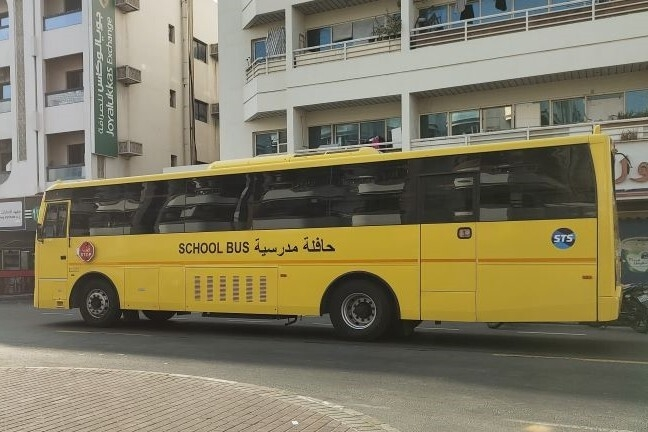
Abu Dhabi schools have updated their transportation policy with student safety and convenience as priorities. The most significant change mandates that children under 15 are no longer allowed to leave or arrive at school unsupervised. A parent or a designated adult must be present at the drop-off point, or the child will be returned to school. For bus transport, supervisors are now mandatory for students under 11. Journey times are capped at 60 minutes. The policy also clarifies that older siblings (15+) may pick up younger ones with parental consent.
Teach Middle East: KHDA introduces new guidelines to support recruitment, mobility, and safeguarding in Dubai’s private education sector [Article]
Dubai’s Knowledge and Human Development Authority (KHDA) has rolled out two new technical guides designed to raise the standards of teacher recruitment, mobility, and professional conduct across private schools. The policies set clear criteria for teacher qualifications, require formal appointment notices, and introduce measures to limit mid-term staff turnover. They also outline procedures for deregistering educators found guilty of misconduct, ensuring that only qualified and ethical professionals remain in the classroom. By reinforcing safeguarding and accountability, KHDA aims to enhance student well-being while strengthening Dubai’s reputation as a destination for high-quality education.
Edarabia: UAE teens create CareChair with fidget tools to help neurodiverse students focus in class [Article]
A team of 17-year-old students in the UAE has created the CareChair, an innovative seating solution designed to help neurodiverse students, particularly those with ADHD and sensory challenges, focus in class. The goal is to create a more inclusive learning environment by empowering students to regulate their energy and emotions with minimal disruption. Early beta testing yielded positive results, with one student noting improved comfort and focus, and teachers reporting a calmer classroom and reduced restlessness.
Education Middle East: AI adoption gathers pace among private schools [Article]
With the UAE and Saudi Arabia set to make artificial intelligence a required subject in public schools starting in 2025–26, many private schools in the region are working quickly to catch up. Administrators are updating curricula, training teachers, and exploring how AI tools can support more personalised learning and efficient school operations. Partnerships with universities and education organisations are helping prepare educators for the transition, while schools see the changes as a way to better equip students for future careers. The move reflects a growing belief across the region that technology must be at the heart of modern education.