Exact Path and Scarborough’s Reading Rope: Building Language Comprehension and Word Recognition
by Elizabeth Tricquet
Scarborough’s Reading Rope, developed by Dr. Hollis Scarborough, highlights the intertwined skills essential for reading success. For a deeper look at the theory, see our foundational article “Scarborough’s Reading Rope Explained.”
Exact Path builds on these principles by equipping students and teachers with targeted digital content, assessments, and instructional resources. Whether students are developing foundational skills or strengthening weaker strands, Exact Path provides the tools needed to support every stage of reading development and foster strategic, confident readers.

Language Comprehension Strands in Exact Path
Exact Path offers explicit instruction around all language comprehension strands represented on Scarborough’s Rope, throughout the learning path. Language comprehension skills grow increasingly strategic into adulthood. The strands in language comprehension include:
Background Knowledge
Exact Path is designed to help students build the background knowledge they need for reading success. Each lesson engages students with information relevant to the topic, making new texts more accessible and easier to comprehend. Studies show that students who bring more background knowledge to a reading task understand and retain more.
Lesson Ideas found in Exact Path’s Teacher Resources explicitly instruct teachers to access students’ background knowledge while teaching a skill. Here is an example from a Grade 3 Lesson Idea, “Central/Main Idea and Relevant Details.” It shows how teachers connect the new learning to what students already know:

Vocabulary
Exact Path vocabulary lessons offer a balanced blend between morphological and word study contextualized in reading texts. Vocabulary is one of the components of Scarborough’s Reading Rope and is vital to student success because knowing what words mean is key to comprehension.
In this example from the Grade 6 lesson, “Roots and Affixes,” students learn to use morphological clues contextualized in a text:
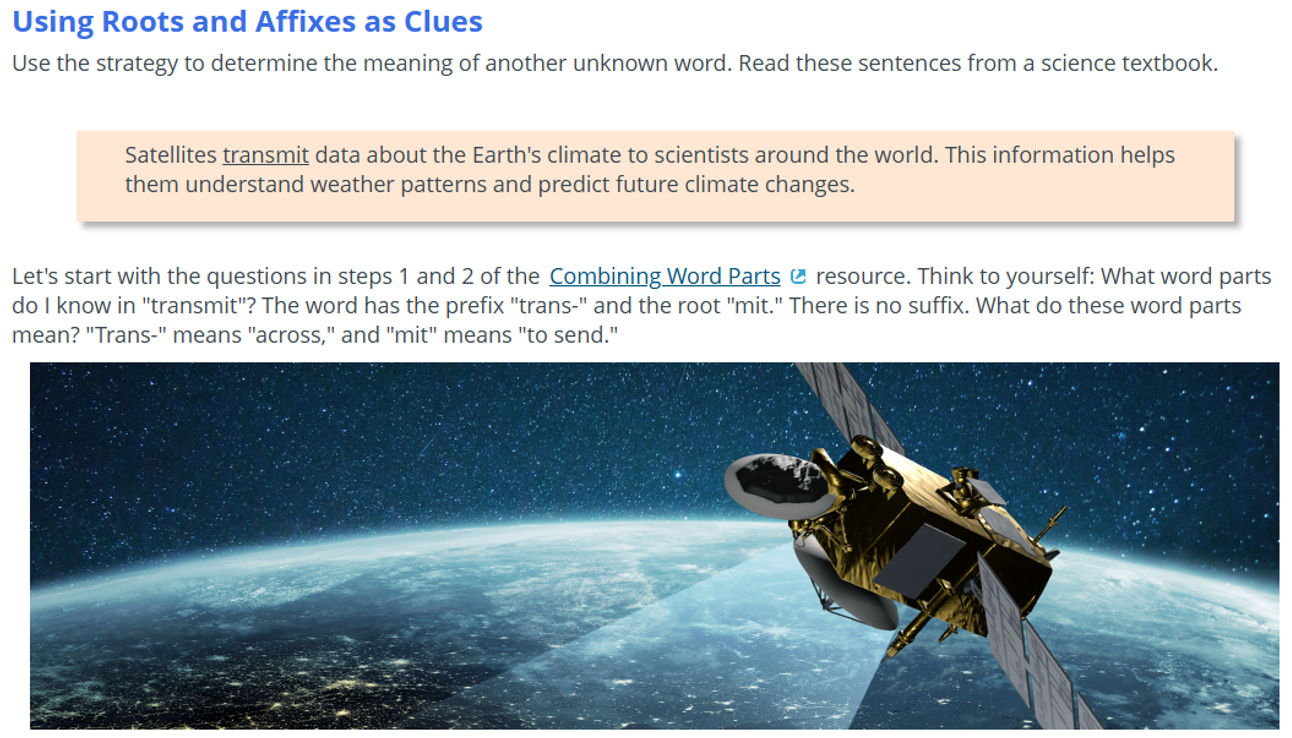
In Exact Path, students dive deeply into word analysis skills to help them figure out unfamiliar words and they are helped to use context clues while reading to figure out the meanings of unknown words.
Exact Path context clues learning modules offer both literary and informational texts. Explicit instruction is provided on context clues, then students apply it while reading texts.
In this Grade 2 lesson example, "Context Clues Rock!," students apply what they have learned while reading a text:
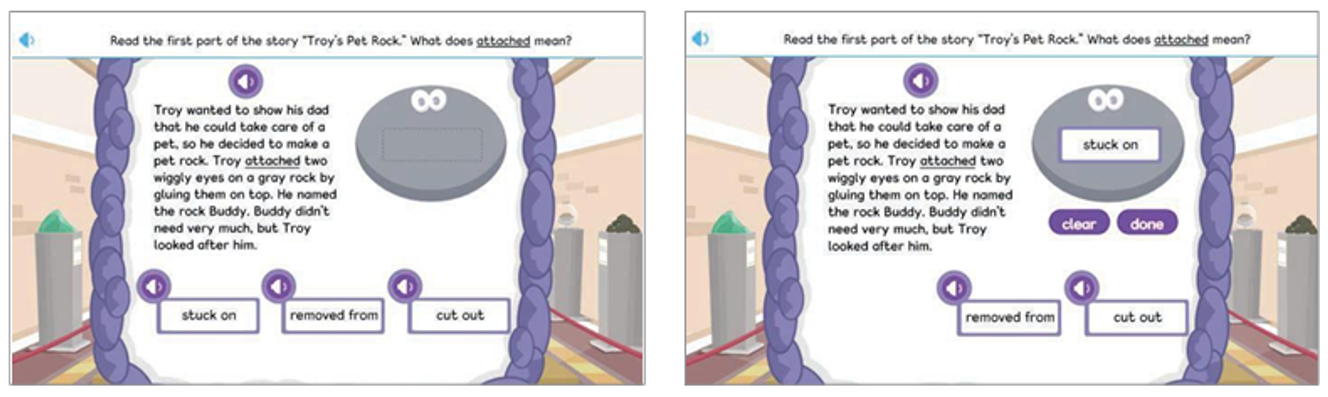
From Exact Path lessons like these, students learn more than the skills and strategies presented. They understand that they can learn exciting new words while reading and that they should not be deterred by encountering words they do not know.
Language Structures
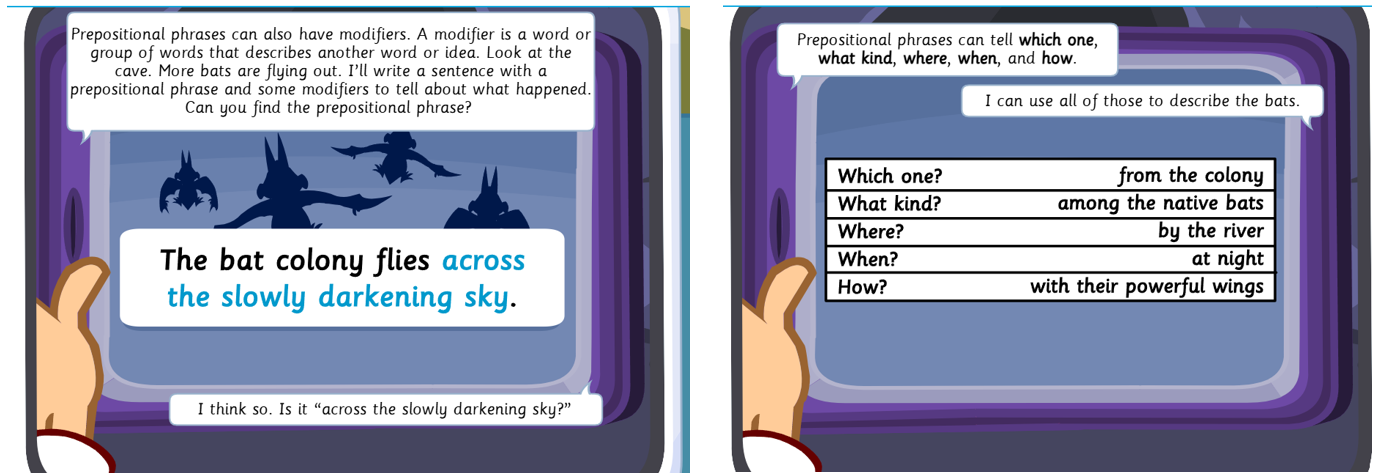
Exact Path provides targeted content to help students master language structures, specifically syntax and semantics. Syntax involves the rules and grammar of English, while semantics focuses on how words are used to create meaning. By supporting both areas, Exact Path ensures students not only understand how sentences are constructed but also how writers communicate ideas. This dual focus helps students make deeper meaning from texts and become more confident readers.
This example Grade 4 lesson, “Bats in the Night,” explicitly teaches prepositional phrases and how authors use them to create meaning:
Verbal Reasoning
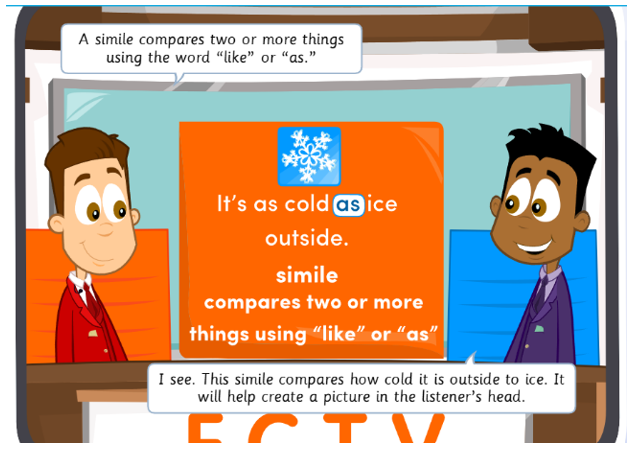
Exact Path’s Learning Path features lessons that address the Scarborough’s Reading Rope component, verbal reasoning. Verbal reasoning refers to a student’s ability to make inferences and understand language used both literally and figuratively. As students progress, Exact Path teaches them to make increasingly sophisticated inferences about more complex texts. Exact Path lessons help students interpret metaphors, similes, idioms, and other forms of figurative language, skills that are essential for deep text comprehension.
This Grade 4 lesson, “Calm Before the Storm,” teaches students about figurative language, including similes and metaphors, and helps them develop their verbal reasoning skills:
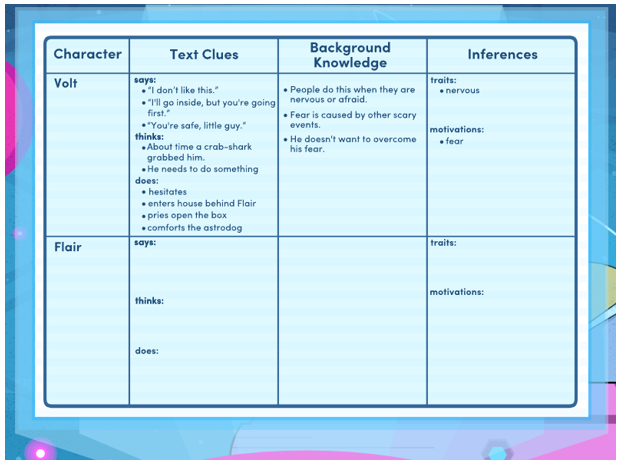
In Grade 5, “What’s the Inference?” teaches students to use textual evidence and their prior knowledge to make inferences about the text:
Literacy Knowledge
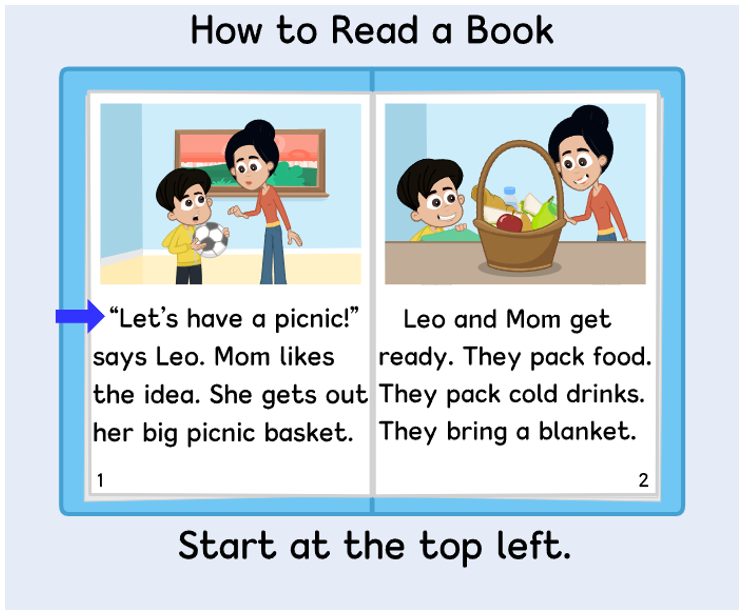
Exact Path includes lessons that tackle literacy knowledge in the early elementary learning path. Literacy knowledge includes print concepts (reading left to right, turning the page) and genres (literature, informational texts, poetry, biographies).
This Kindergarten lesson, “Cover to Cover,” teaches students print concepts including where to start when reading a book:
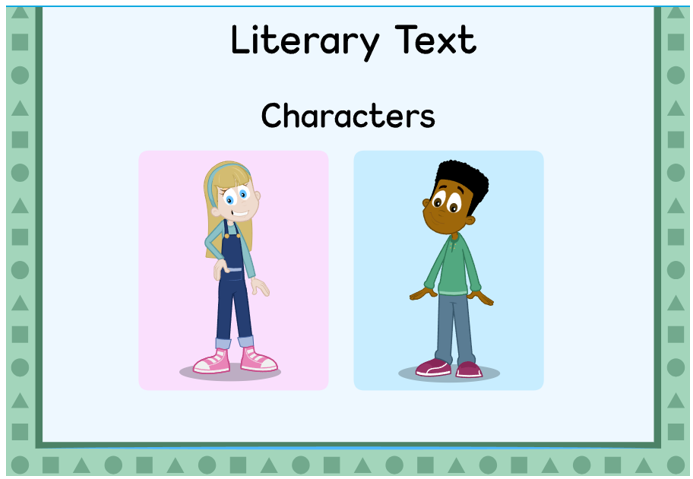
In Grade 1, “What’s the Difference?” teaches students the differences between literary and informational texts:
Word Recognition Strands in Exact Path
Exact Path strongly emphasizes the Word Recognition strands of Scarborough’s Rope, especially in early elementary grades. These strands focus on word-level foundational skills such as decoding and automatic word recognition, which become increasingly essential for developing fluent readers. Exact Path’s instruction is explicit and grounded in Science of Reading research, ensuring students build these critical skills and continue to strengthen them as they progress along the learning path.
Phonological Awareness
Exact Path includes research-based phonological awareness lessons to help students have the necessary foundation for learning to read. Phonological awareness develops as students begin to understand that spoken words consist of sounds.
This Grade 1 “Sound Search” lesson teaches phonological awareness skills using Elkonin boxes:
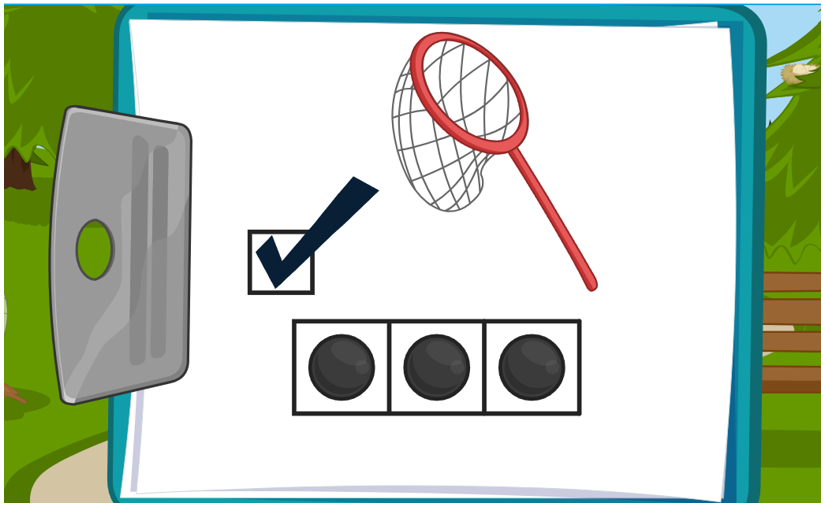
In addition to digital content on the learning path, Exact Path offers phonological awareness lesson ideas that are found in the Teacher Resource drawer. Teachers can use the lesson ideas to address the needs of students in whole group, small group, or one-on-one settings.
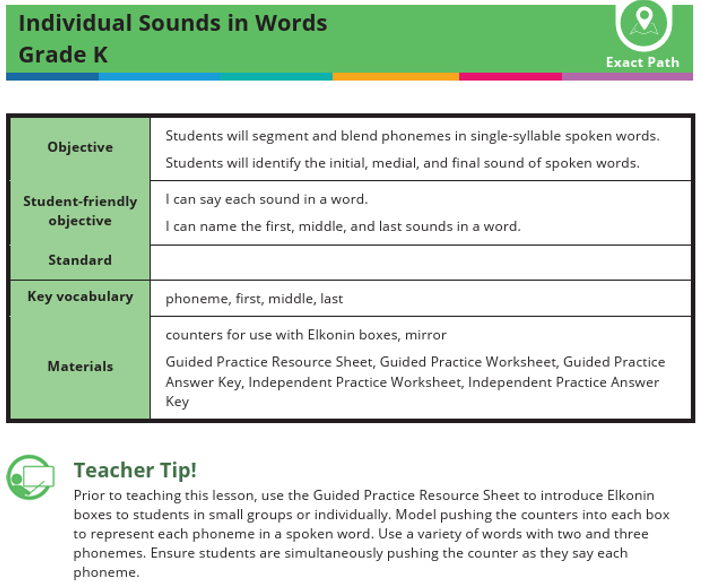
This Kindergarten “Individual Sounds in Words” lesson idea is designed to teach students phonological awareness skills:
Decoding
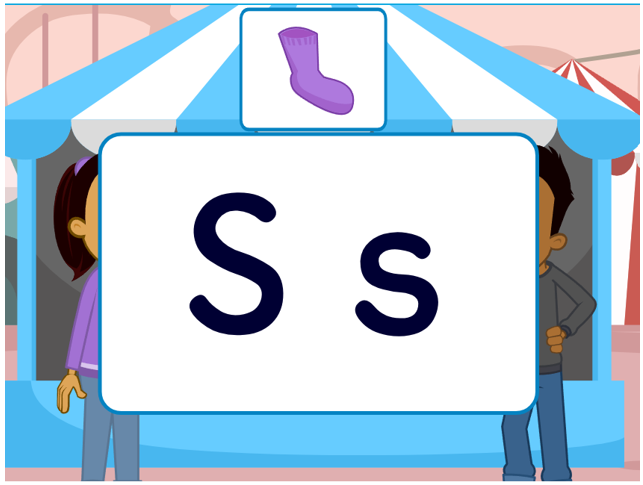
Exact Path includes research-based explicit phonics instruction to help students master decoding skills. Phonics is the ability of a student to understand the connection between sounds (phonemes) and letters (graphemes). Exact Path instruction includes both decoding and encoding, ensuring students build strong foundational literacy skills.
Kindergarten phonics instruction begins with the basics of letter-sound correspondence. This “Letter Wheel” lesson builds students’ phonics skills by teaching basic letter-sound correspondence.
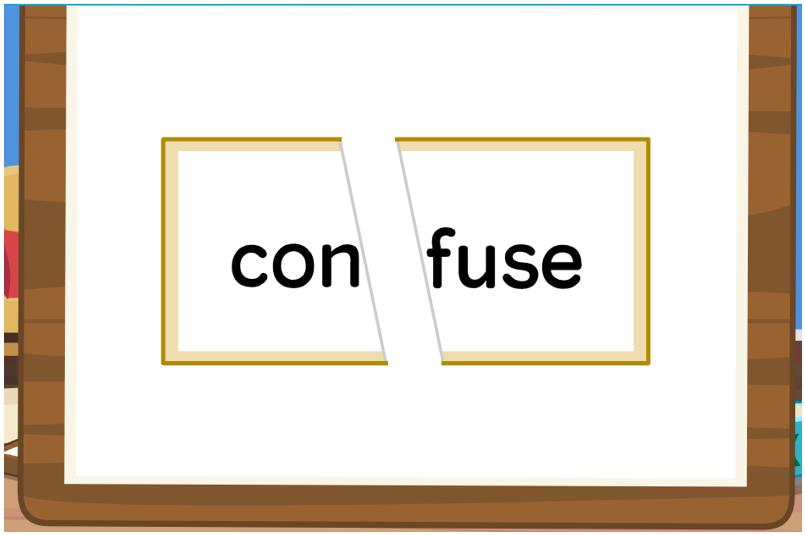
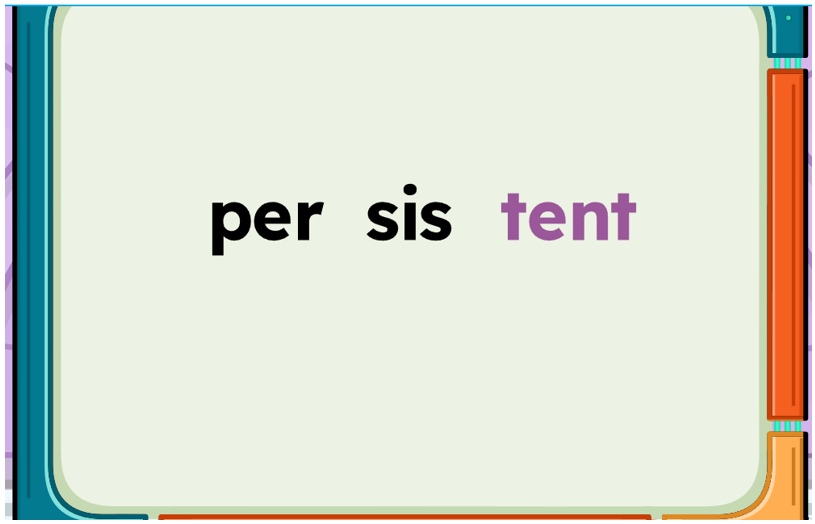
As students move through foundational reading skills in the learning path, phonics instruction increases in complexity including blends, digraphs, and syllabication rules. This Grade 2 “Syllable Puzzle” teaches students how to use syllabication rules to help them decode an unknown word:
Upper elementary school students receive instruction on how to tackle decoding complex multisyllabic words using a “chunking” strategy.” In Grade 4, the “Word Games” lesson helps older students decode multisyllabic words:
Exact Path offers teachers additional support materials to help with phonics instruction. These materials include lesson ideas found in the Teacher Resource drawer and progress monitoring assessments found on the teacher landing page. Progress monitoring assessments include Rapid Automized Naming, Letter Name Fluency, Letter Sound Fluency, Word Reading Fluency, Nonsense Word Fluency, and Oral Reading Fluency.
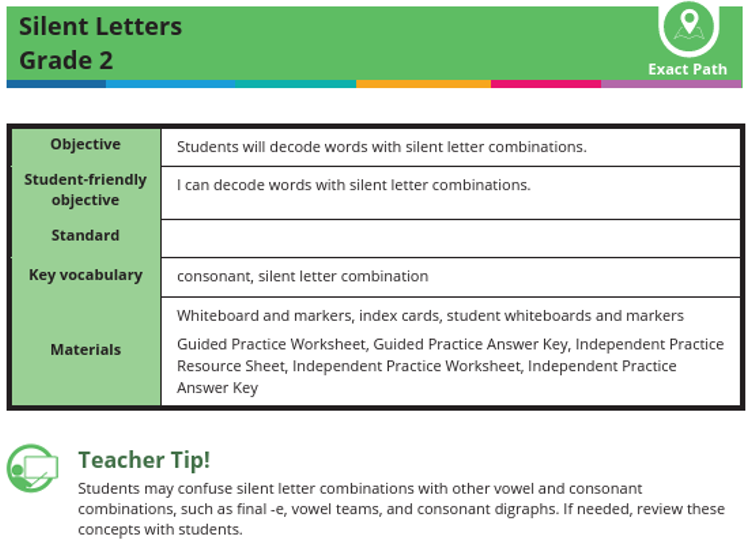
The Grade 2 “Silent Letters” lesson idea helps teachers provide phonics instruction about silent letter combinations:
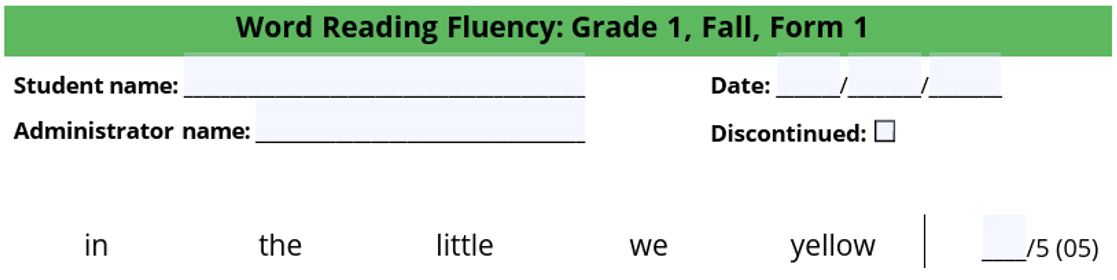
Here is a progress monitoring example from Grade 1 Word Reading Fluency:
Sight Recognition
Exact Path provides students with explicit instruction on words that don’t follow, or partially follow, the rules of phonics. In Exact Path, students from Kindergarten through Grade 2 learn and practice phonetically irregular words, which they will encounter frequently when reading. Decodable readers are presented in the instruction of each phonics skill on the learning path to provide students with multiple opportunities to practice reading these words within a text. This, in turn, supports students in becoming fluent readers with sight recognition for frequent words.
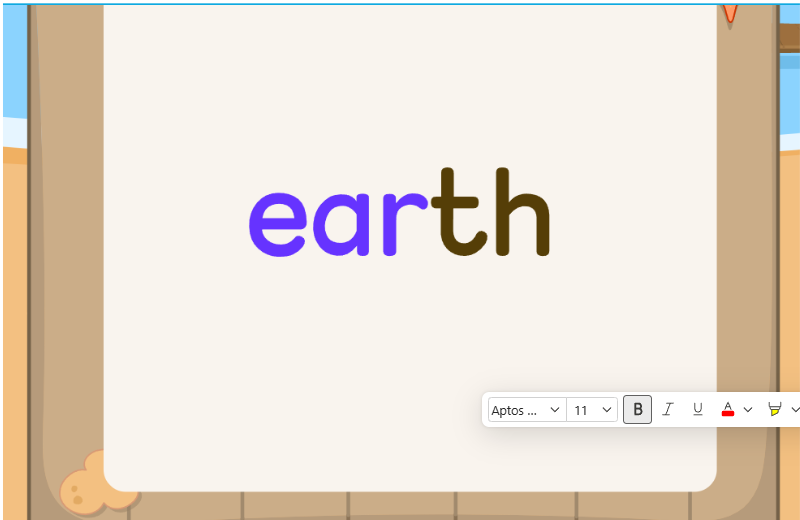
The Grade 2 “Irregular Words Beach Search” lesson helps students learn these words by showing how they are a combination of irregular pronunciations (“ear”) and phonics patterns (“th”).:
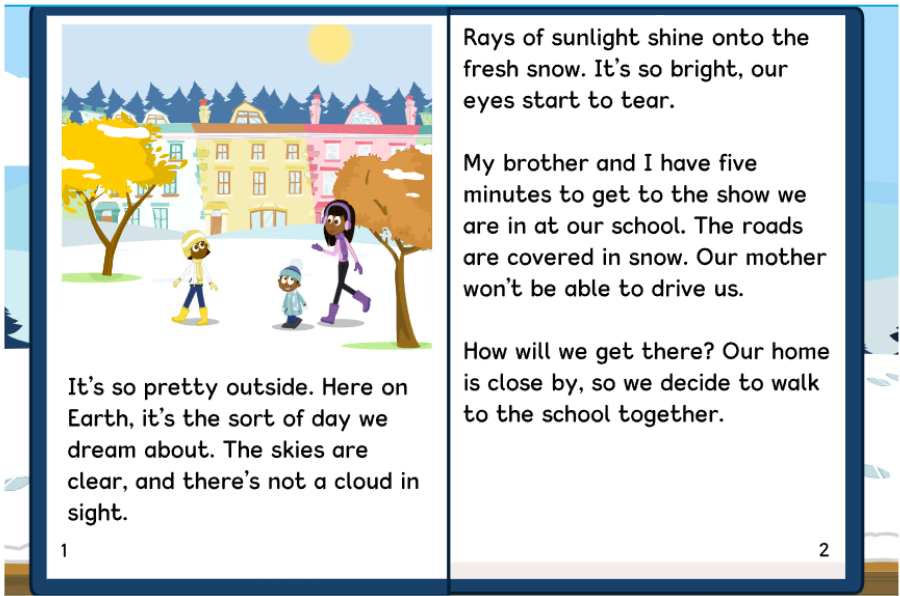
Then, the Grade 2 “A Walk in the Snow” decodable reader helps students practice reading the irregular words they learned in the lesson to develop increasingly automatic word recognition:
How does Exact Path’s support of Scarborough’s Reading Rope help educators?
Exact Path equips educators to support every strand of Scarborough’s Reading Rope, giving students the comprehensive foundation they need to become skilled readers. With robust progress tracking and targeted Teacher Resources, Exact Path makes it easier for teachers to monitor growth, intervene effectively, and personalize instruction along each student’s learning path. By aligning with Scarborough’s Rope, Exact Path turns a complex process into actionable steps for reading success.

About the author
Elizabeth Tricquet has over two decades of experience in education. In her current role as Lead Learning Designer at Edmentum, Elizabeth is passionate about developing effective, high-quality resources for students and teachers.
Elizabeth has worked at Edmentum since 2016 in a variety of positions including Content Designer, Assessment Specialist, and Learning Designer. She has worked on a variety of products including Exact Path, Study Island, and Benchmark Assessments.
Prior to working at Edmentum, Elizabeth had nearly 10 years of experience in the classroom teaching grades 1, 3 and 4 with a focus on helping struggling readers and students with learning difficulties. While teaching, Elizabeth earned her National Board Certification for Early and Middle Grades Literacy. She then worked at the Florida Department of Education's Test Development Center as an ELA Content Specialist. During that time, Elizabeth worked on state-wide summative assessments.