EdTech Week Recap: Modernizing Career-Connected Learning to Bridge Education and Opportunity
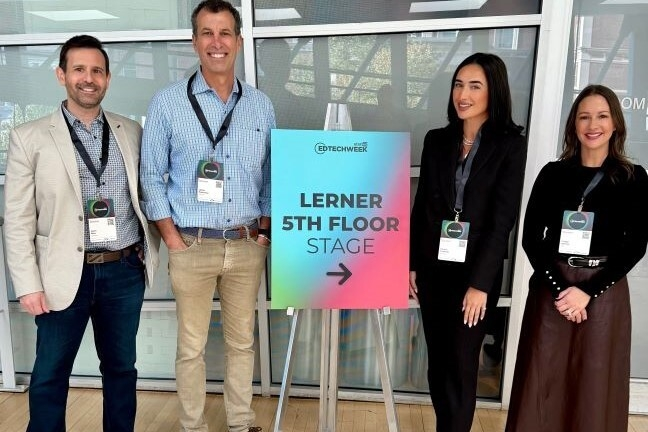
by Tatiana Ciccarelli
Last week, I had the pleasure of joining a panel at EdTech Week with Jason Bass, Edmentum’s SVP of Courses and Career, along with TNTP President Crystal Harmon and ClassWallet CEO Jamie Rosenberg, to discuss a topic that’s front and center for educators, policymakers, and communities alike: how career-connected learning (CCL) creates a future in which all students can become thriving, successful citizens.
The Urgency and Promise of Workforce Readiness
Career-connected learning—often referred to as career and technical education (CTE), which may refer specifically to the curriculum and courses, rather than the overall program for college and career readiness (CCR)—is rapidly gaining traction across the country. Nearly every state has passed legislation supporting career pathways, signaling a broad consensus that workforce readiness must be reimagined. But while the momentum is clear, the challenge remains: how do we ensure that access keeps pace with innovation?
It’s not enough to envision a future where every learner is prepared for both college and career. We must make that vision real—locally, accessibly, and at scale.
Insights from the Field: Funding, Flexibility, and Expanded Access
In our session, education leaders, innovators, and pioneers discussed how technology, flexible funding, and cross-sector collaboration are reshaping the future of college and career readiness. The conversation offered a compelling blueprint for designing inclusive, future-ready systems that bridge education and economic mobility.
We began with a foundational question: what does it take to move from intention to implementation? While policy support is strong, the reality on the ground is more complex. Panelists emphasized the need for strategic infrastructure, community engagement, and alignment between state agencies, districts, and families. Implementation of CTE programs demands more than funding—it requires intentional design and a commitment to access and opportunity.
As the discussion progressed, we examined how career-connected learning can serve all students—not just those pursuing immediate employment. Citing Edmentum’s partnership with America Succeeds, Jason and I emphasized the importance of early exposure to career options, durable skills like communication and problem-solving, and employer-aligned experiences. These elements help students make informed decisions and prepare for lifelong success, whether they’re headed to college, a career, or both.
CTE funding emerged as a critical enabler. Crystal shared insights on ESEA waivers, which offer districts flexibility in meeting federal requirements while pursuing innovative pathways, while Jamie highlighted the transformative potential of Education Savings Accounts (ESAs), which allow families to direct resources toward career-focused learning. Vouchers and other flexible funding models also enable scalable, personalized solutions. But clarity is essential—districts and families must understand how these mechanisms work, so they can make informed decisions.
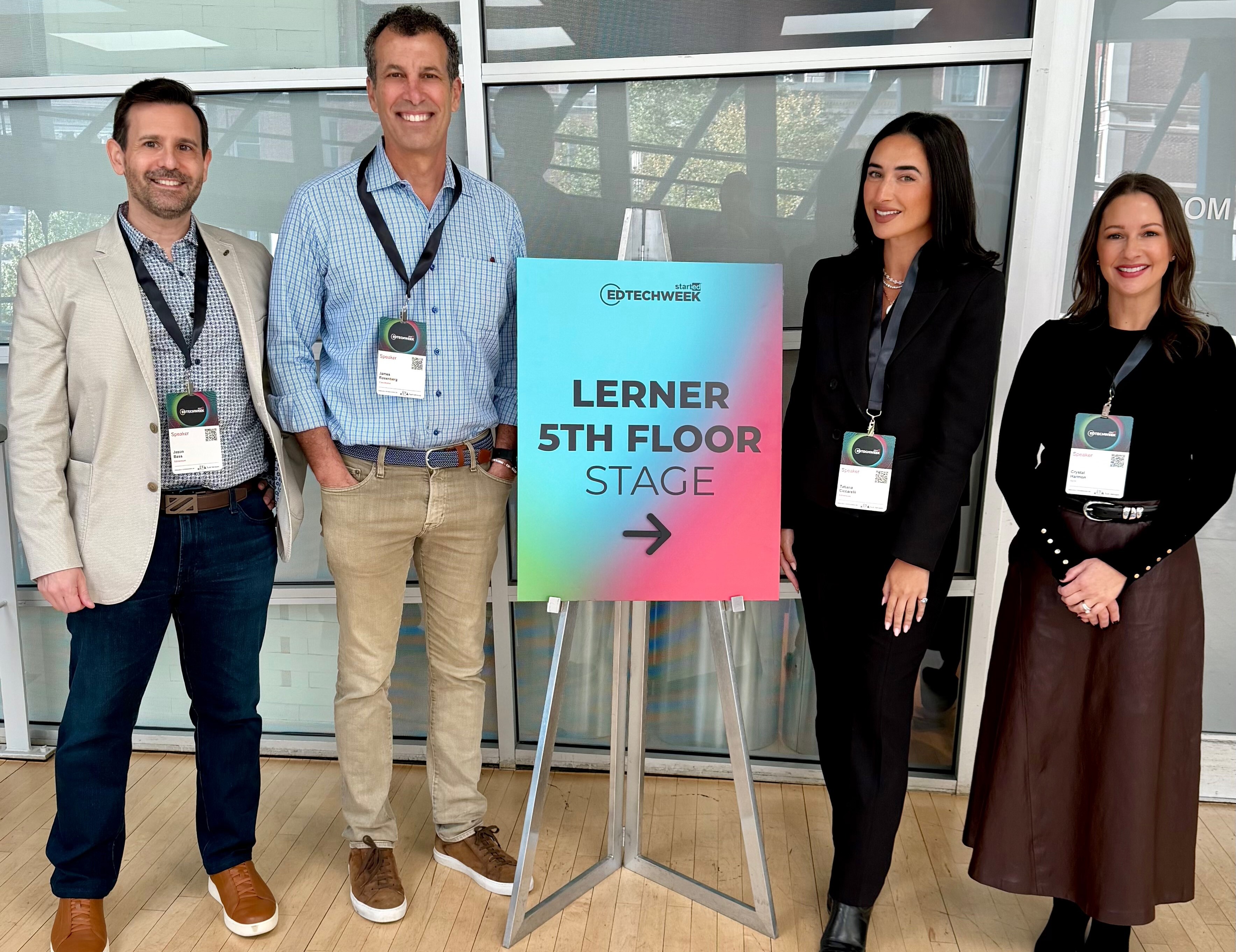
Pictured from left to right: Jason Bass, Edmentum; Jamie Rosenberg, ClassWallet; Tatiana Ciccarelli, Edmentum; and Crystal Harmon, TNTP.
Designing for Impact: Alignment in Exploration, Technology, and Academics
Another key theme was the balance schools must strike between offering diverse options and providing adequate guidance and academic rigor. Jason and Crystal discussed strategies like advisory systems, integrated curricula, and mentorship to help students navigate choices and align them with long-term goals.
Technology is also playing a pivotal role in expanding access to skilled trades. Jason shared how immersive tools—virtual trade prep, simulations, AR/VR—are breaking down barriers regarding cost and scalability. These innovations bring hands-on CTE experiences to classrooms, connecting students with mentors, certifications, and job opportunities. Technology, he noted, is not just a tool—it’s a gateway.
Economic mobility remains a core challenge for career-connected learning. Academic success alone isn’t enough, especially for students from low-income backgrounds. Programs must lead to credentials with labor market value, be clearly communicated to families, and align with employer needs to ensure students gain real opportunity.
I was excited to contribute insights on the impact early career exploration can have on college- and career-bound students. In many districts, conversations about career pathways don’t begin until high school, but by then, students’ personal experiences—especially around money, jobs, and finances—can narrow their sense of possibility. That’s why it’s essential to engage learners earlier, ideally by middle school, to help them discover opportunities within their own communities, understand how to pursue professional goals locally, and explore meaningful paths that lead to long-term prosperity.
Simply put, it is never “too soon” to engage learners in what is possible for their future and consider the embedding of durable skills into daily instruction and conversation a best practice.
Looking Ahead
As the session closed, panelists reflected on the importance of measurement. Success must be defined by clear metrics—participation, completion, employment outcomes—and used to refine and improve programs. Measurement is not just about evaluation; it’s also about evolution. By learning from what works, leaders can build systems that grow stronger over time.
Career-connected learning is evolving rapidly, driven by innovation, policy, and public demand. But realizing its full potential requires more than enthusiasm—it demands action. The tools are in place. Now it’s up to leaders, educators, and communities to design systems that deliver on the promise of opportunity for every learner.
Whether you're a district leader, policymaker, edtech entrepreneur, or funder, the future of education is career-connected. And the time to act is now.

About the Author
With over 15 years in education, Tatiana Ciccarelli currently serves as National Solutions Director, Florida and New York, at Edmentum. Prior to this position, Tatiana was a Senior Strategic Consultant at NWEA, where she supported the assessment and solution leadership teams to develop coherence among assessment, curriculum, and instruction in large-scale accounts. A native New Yorker, Tatiana is from a long line of school leaders and educators, and brings that generational passion for learning into her work today.