
The Science of Reading Explained: Vocabulary

The United States Department of Education defines literacy as the knowledge of words, including their structure (morphology), use (grammar), meanings (semantics), and links to other words (word/semantic relationships). Some of the most respected researchers say that focusing on vocabulary acquisition is a critical part of literacy instruction. It is a key building block in the bridge between foundational skills and comprehension.
There is also research to suggest that vocabulary and reading have a “chicken and egg” relationship. Reading more expands students' vocabulary, and a larger vocabulary makes reading more complex texts easier for students. High-quality vocabulary instruction should include teaching target words that support comprehension of a text, as well as actively engaging with the words rather than using materials such as dictionaries or glossaries.
With Edmentum's Exact Path, vocabulary instruction is woven in throughout the program in a systematic, research-based way that follows the science of reading best practices. Exact Path supports vocabulary skills using texts, so students get a contextualized experience.
Practicing Concept Sort and Morphology Skills
Sorting in vocabulary, also known as a “concept sort,” is a strategy used to familiarize students with the vocabulary of a new topic or book. Teachers provide students with a list of terms or concepts from reading material, and students place words into different categories based on each word's meaning.
Morphology refers to the knowledge of meaningful word parts in a language, typically the knowledge of prefixes, suffixes, and/or roots and base words. Research has shown that in children as young as first grade, knowledge of word parts has influenced their literacy development.
With Exact Path, students are taught the meanings of individual prefixes and suffixes, and then grapple with words containing those affixes in context. Students make more connections when tackling words within a text, so the characters in the program model what determining the meaning of the word using prefixes looks like, and then check the meaning within the context of the text.
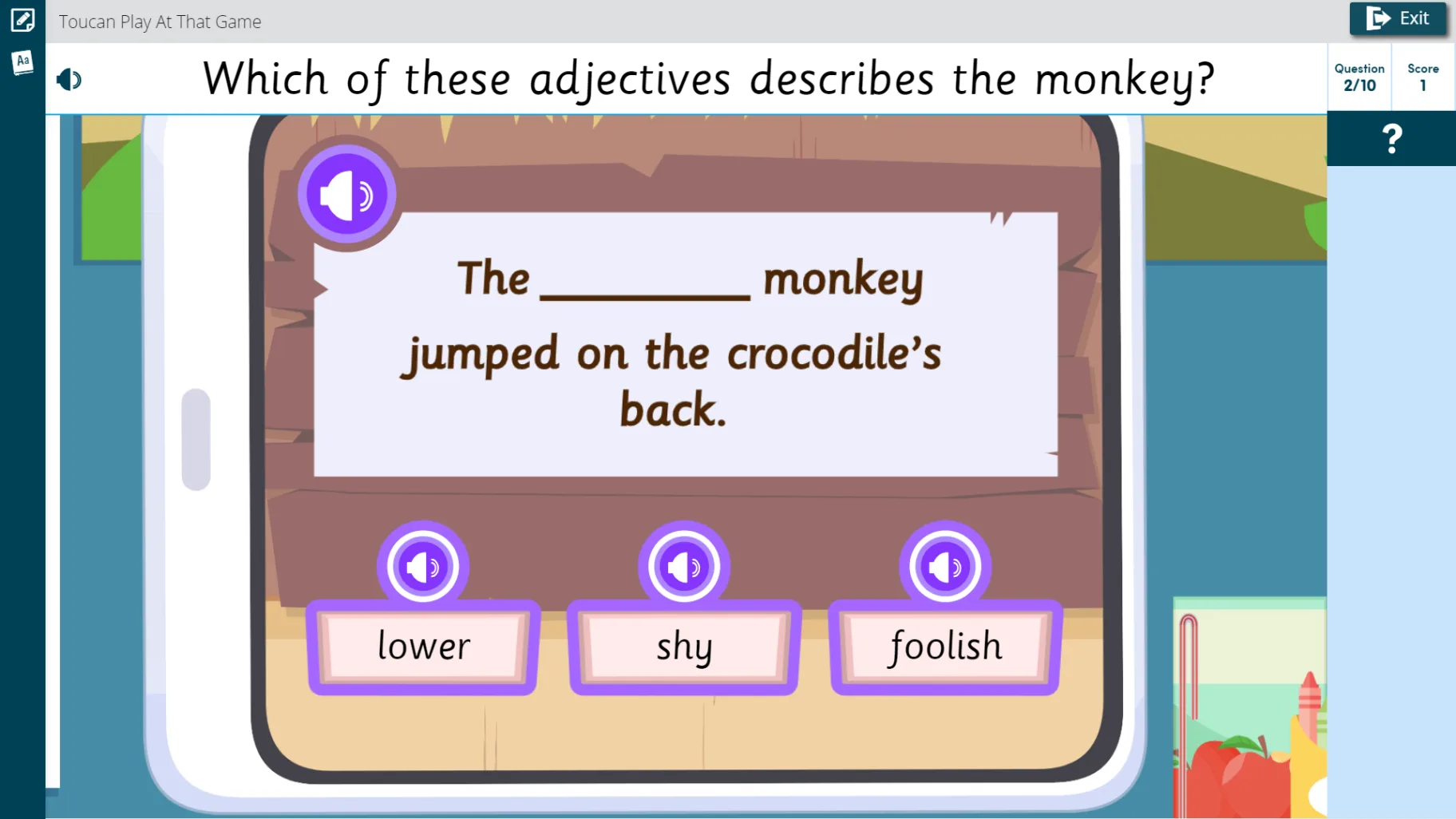
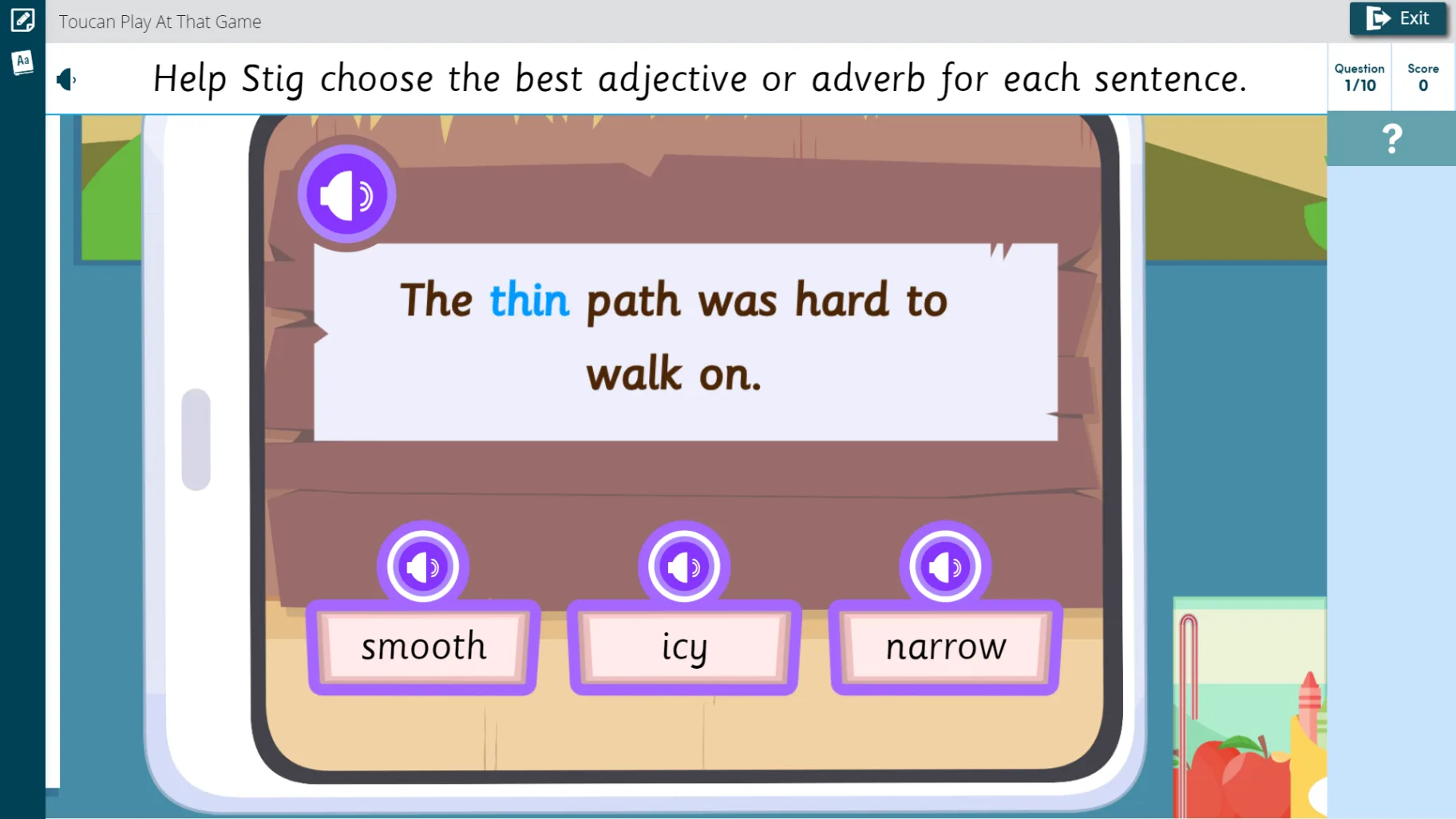
Using Context Clues for Vocabulary Growth
Context clues are hints found within a sentence, paragraph, or passage that a reader can use to understand the meanings of new or unfamiliar words. Different types of context clues can help determine the meaning of an unknown word.
Similar to how morphology is taught within Exact Path, context clues are taught by using a grade-appropriate text to model grappling with words. Characters model looking around the unknown word for context clues and using context clues such as definition or example to determine the meaning of the unknown word. This provides students with texts like what is taught in classrooms, supporting your classroom instruction.
Direct vocabulary instruction is highly important in helping students with comprehension of texts, especially content area texts. Researcher Robert J. Marzano has developed a highly acclaimed 6-step method to help make new vocabulary words “sticky” for students. Try this Marzano Vocabulary Method as students set up their vocabulary notebooks so that they maximize their vocabulary growth.
How Exact Path Supports Students' Vocabulary Development
Exact Path provides diagnostic-driven personalized literacy instruction, grounded in the science of reading, to help students build the foundational skills and knowledge they need to become stronger readers. Students build the word knowledge they need to understand what they read and communicate with greater precision.
- Explore: See how Exact Path accelerates student achievement
- Watch: Science of Reading webinar with Reading Is Fundamental
- Read more from this series: The Science of Reading Explained